Effective Visualization Techniques for Stress Reduction
Harness the power of visualization techniques to manage stress effectively. Discover practical steps to create a calming mental space.
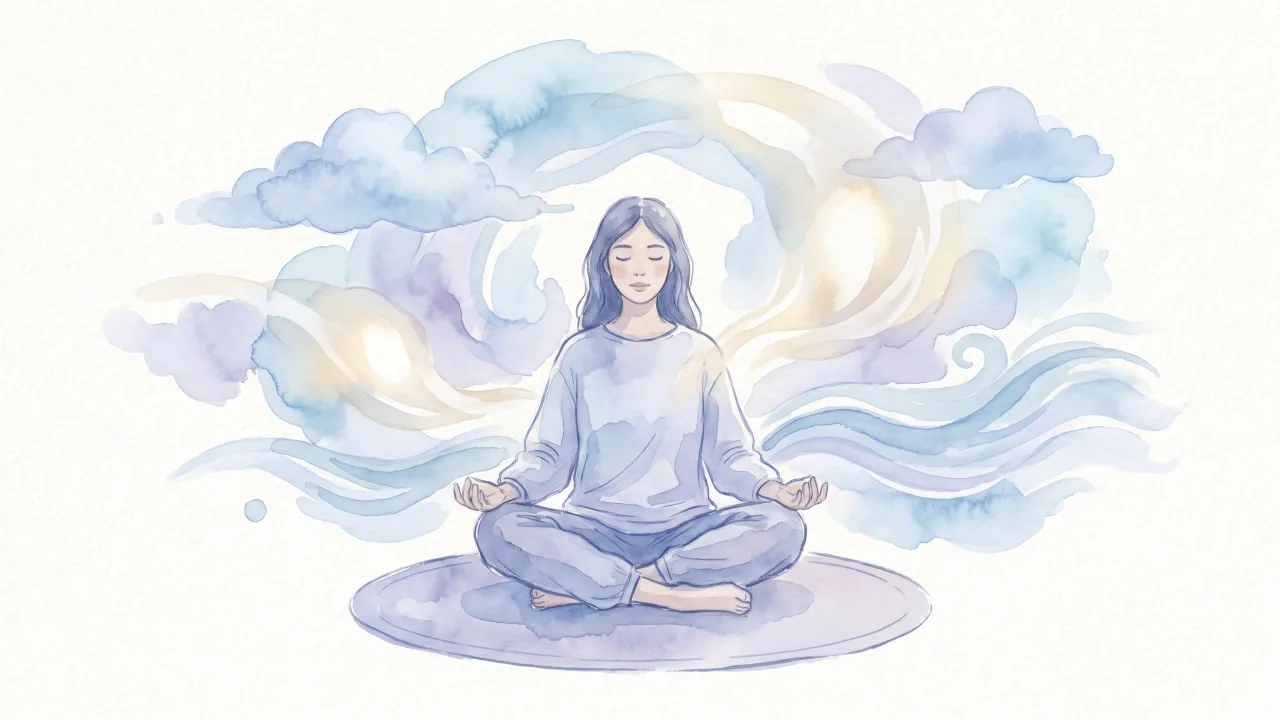
Understanding Visualization
Visualization is a mental technique that involves creating vivid images in your mind to achieve a specific outcome. This practice can help you manage stress by allowing you to escape the pressures of daily life and create a peaceful mental space. By focusing your mind on positive imagery, you can foster a sense of calm and resilience.
Creating Your Safe Space
One of the simplest ways to begin your visualization practice is to create a ‘safe space’ in your mind. This can be any place where you feel completely at ease—a beach, a forest, or a quiet room. Start by closing your eyes and taking deep breaths. Picture every detail of your safe space: the sound of waves, the scent of pine trees, or the warmth of sunlight.
- Choose a location: Select a place that makes you feel relaxed.
- Engage your senses: Think about what you see, hear, and smell.
- Practice regularly: Spend a few minutes each day in your safe space.
Guided Imagery Exercises
Guided imagery involves using scripts or recordings to lead you through visualizations. This can be especially helpful if you’re new to the practice or find it challenging to concentrate. You can find a variety of guided imagery resources online or in apps focused on wellness. Choose one that resonates with you and sets a calming atmosphere.
- Set aside time: Dedicate 10-15 minutes for your session.
- Find a quiet spot: Ensure your surroundings are peaceful.
- Follow along: Listen to the guide and let your imagination flow.
Visualising Success and Positivity
Another effective visualization technique is to imagine yourself succeeding in a specific situation that causes you stress. Picture yourself handling a challenging work meeting or acing a presentation. Visualise the steps you will take and how confident you will feel. This not only reduces stress but can also improve your performance in real-life scenarios.
- Identify the scenario: Choose a situation that stresses you.
- Visualise the process: Imagine each step and how you will react.
- Feel the emotions: Allow yourself to experience the positive feelings of success.
Incorporating Breath and Movement
To enhance your visualization practice, consider incorporating breathwork and gentle movement. As you visualise, take deep, calming breaths. You might also try gentle stretching or yoga poses that help release tension. This combination can deepen your relaxation and connection to the imagery you are creating.
- Practice deep breathing: Inhale deeply through your nose and exhale slowly.
- Incorporate movement: Try slow, gentle stretches while visualising.
- Stay mindful: Focus on how your body feels during the process.
Conclusion
Visualization techniques can be powerful tools in your stress management toolkit. By creating a safe mental space, engaging in guided imagery, picturing your success, and pairing your practice with breath and movement, you can cultivate a sense of calm and control in your life. Remember that consistency is key, so find a routine that works for you and stick with it. Your mind has the power to shape your reality—embrace it.
Need a moment to breathe?
CalmCall gives you a warm, judgment-free space to talk things through, anytime — completely confidential.