Understanding Emotional Triggers and Managing Them
Emotional triggers can impact our daily lives. By understanding and managing these triggers, we can cultivate a healthier emotional landscape and improve our wellbeing.
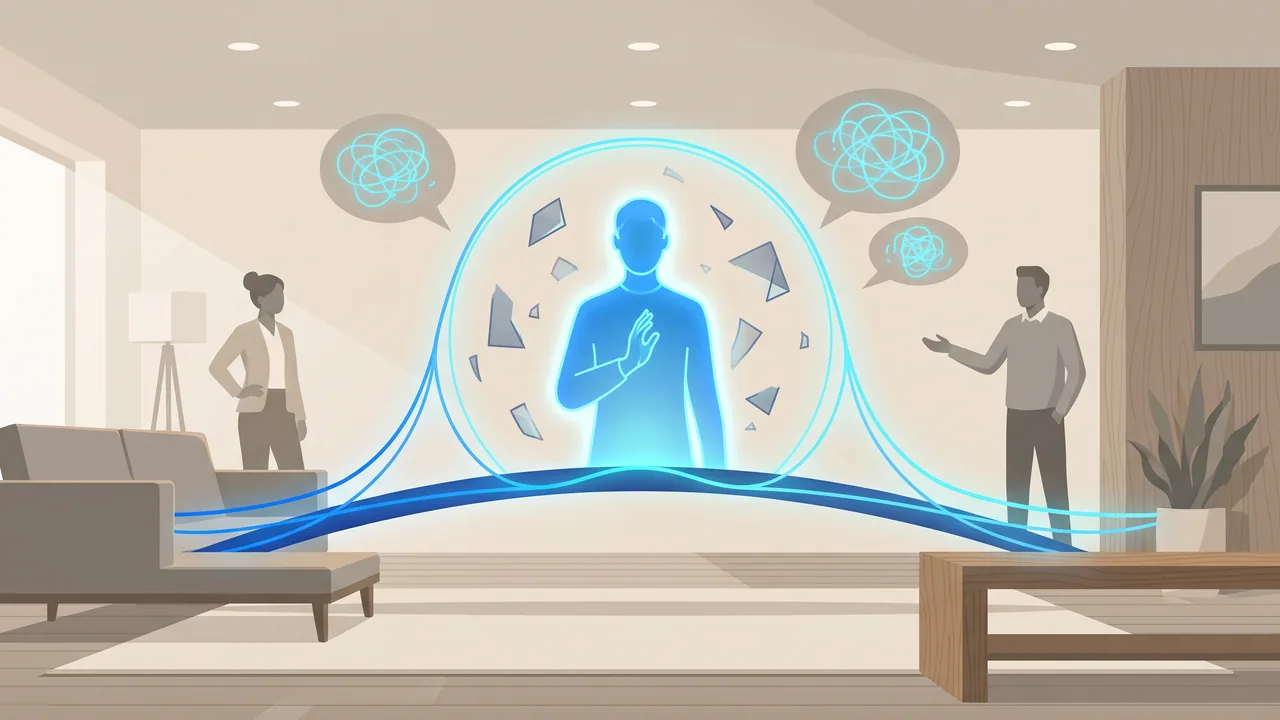
What Are Emotional Triggers?
Emotional triggers are stimuli—events, words, or situations—that provoke intense emotional reactions. These reactions can range from mild annoyance to overwhelming anger or sadness. Understanding your triggers is the first step toward managing them effectively.
For example, a certain song might remind you of a past relationship, causing feelings of longing or regret. Alternatively, a specific phrase from a colleague might trigger feelings of inadequacy. Recognising these connections can help you navigate your emotional responses better.
Identifying Your Triggers
The process of identifying your emotional triggers can start with reflection. Keep a journal for a week to note instances when you felt strong emotions. Pay attention to what happened just before those feelings surfaced.
Here are some questions to guide your reflection:
- What situation prompted my emotional response?
- Who was involved in that moment?
- What specific words or actions triggered my feelings?
- How did I react?
By answering these questions, you can begin to identify patterns in your triggers, making it easier to manage them in the future.
Practical Strategies for Managing Triggers
Once you have identified your triggers, you can implement strategies to manage them. Here are a few practical micro-tips:
- Pause and Breathe: When you feel a trigger coming on, take a moment to pause. Deep breathing for just a minute can help calm your mind and body.
- Reframe Your Thoughts: Challenge negative thoughts associated with your triggers. Instead of thinking, "I can't handle this," try reframing it to, "This is challenging, but I can cope with it." This shift in perspective can lessen the emotional impact.
- Establish Boundaries: If specific people or situations consistently trigger strong emotions, consider setting boundaries. Limit your exposure to these triggers when possible.
- Practice Self-Compassion: Recognise that it’s okay to feel triggered. Treat yourself with kindness and acknowledge that everyone experiences emotional triggers.
The Role of Mindfulness
Mindfulness can be a powerful tool in managing emotional triggers. By practising mindfulness techniques, such as meditation or mindful walking, you can cultivate a greater awareness of your thoughts and feelings.
Start with just five minutes a day. Sit quietly, focus on your breath, and observe your thoughts without judgement. This practice can help you respond to triggers with more clarity and less reactivity.
Seeking Support
Managing emotional triggers can sometimes feel overwhelming. Don’t hesitate to seek support from friends or family. Sharing your feelings can provide comfort and insights you might not have considered.
If you find it difficult to cope on your own, consider joining a support group or community where you can connect with others facing similar challenges. Remember, you’re not alone in this journey.
Need a moment to breathe?
CalmCall gives you a warm, judgment-free space to talk things through, anytime — completely confidential.