Build a Self-Care Toolkit for Busy Days
Creating a self-care toolkit can help you navigate busy days with ease. Discover practical tips and strategies to build your personal toolkit for mental wellness.
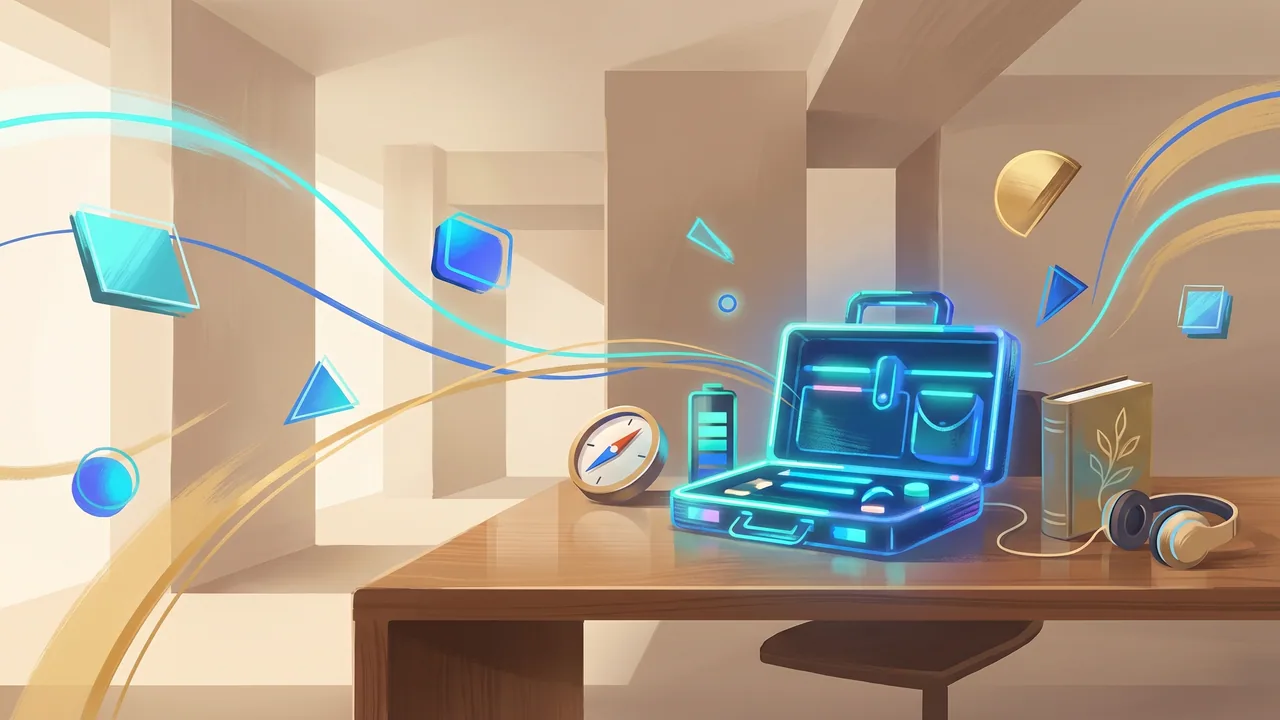
Understanding the Importance of Self-Care
In our fast-paced lives, self-care often takes a backseat. Yet, integrating small moments of self-care into our daily routine can significantly improve our mental wellbeing. A self-care toolkit is essentially a collection of strategies and resources that you can turn to during hectic days, ensuring you prioritise your mental health.
Recognising when you need a break is the first step. Whether it's a few deep breaths or a quick walk around the block, having a toolkit ready can make all the difference.
Identify Your Needs
Before building your toolkit, take a moment to reflect on what self-care means to you. Ask yourself questions like:
- What activities relax me?
- How do I recharge my energy?
- What brings me joy?
For some, it might be journaling or reading a few pages of a book. For others, a short workout or meditative practice may be more effective. Knowing your preferences will make it easier to select items for your toolkit.
Gather Essential Tools
Your self-care toolkit should be easily accessible and tailored to your lifestyle. Here are some components to consider:
- Calming Items: Include stress balls, fidget spinners, or essential oils.
- Mindfulness Resources: Apps for guided meditation or podcasts that focus on wellness.
- Quick Activities: A deck of cards for a quick game, a notebook for jotting down thoughts, or even a list of your favourite uplifting quotes.
These items can help you refocus and recharge even on the busiest of days.
Incorporate Micro-Tips into Your Routine
Once you have your toolkit ready, think about how you can incorporate it into your daily life. Here are some practical micro-tips:
- Set a timer for five minutes to engage in a quick mindfulness exercise.
- Take a short break every hour to stretch and breathe deeply.
- Use a calming app for a two-minute meditation during lunch.
These small actions can create significant shifts in your mood and energy levels throughout the day.
Evaluate and Adjust Your Toolkit
As you use your self-care toolkit, pay attention to what works and what doesn’t. Feel free to swap out items based on your evolving needs. If you find that a particular activity brings you joy, consider adding it to your toolkit. Conversely, if something isn’t resonating, don’t hesitate to remove it.
Self-care is a personal journey, and your toolkit should grow and change along with you.
Conclusion
Building a self-care toolkit for busy days is not just about having items on hand; it’s about creating a supportive environment for yourself. By understanding your needs, gathering essential tools, and incorporating simple practices into your routine, you can cultivate a more balanced and fulfilling life. Remember, prioritising your mental health is essential, no matter how busy life gets.
Need a moment to breathe?
CalmCall gives you a warm, judgment-free space to talk things through, anytime — completely confidential.