Crafting Your Stress Management Toolkit
Busy professionals often face overwhelming stress. Discover essential tools and practical tips to build your personal stress management toolkit.
Understanding Stress in a Busy World
In today’s fast-paced work environment, stress can feel like a constant companion. For busy professionals, juggling deadlines, meetings, and personal commitments can lead to overwhelming feelings. Recognising stress is the first step in managing it effectively.
When stress becomes chronic, it can affect both mental and physical health. However, creating a stress management toolkit can empower you to take control and navigate through challenges with ease.
Essential Components of Your Toolkit
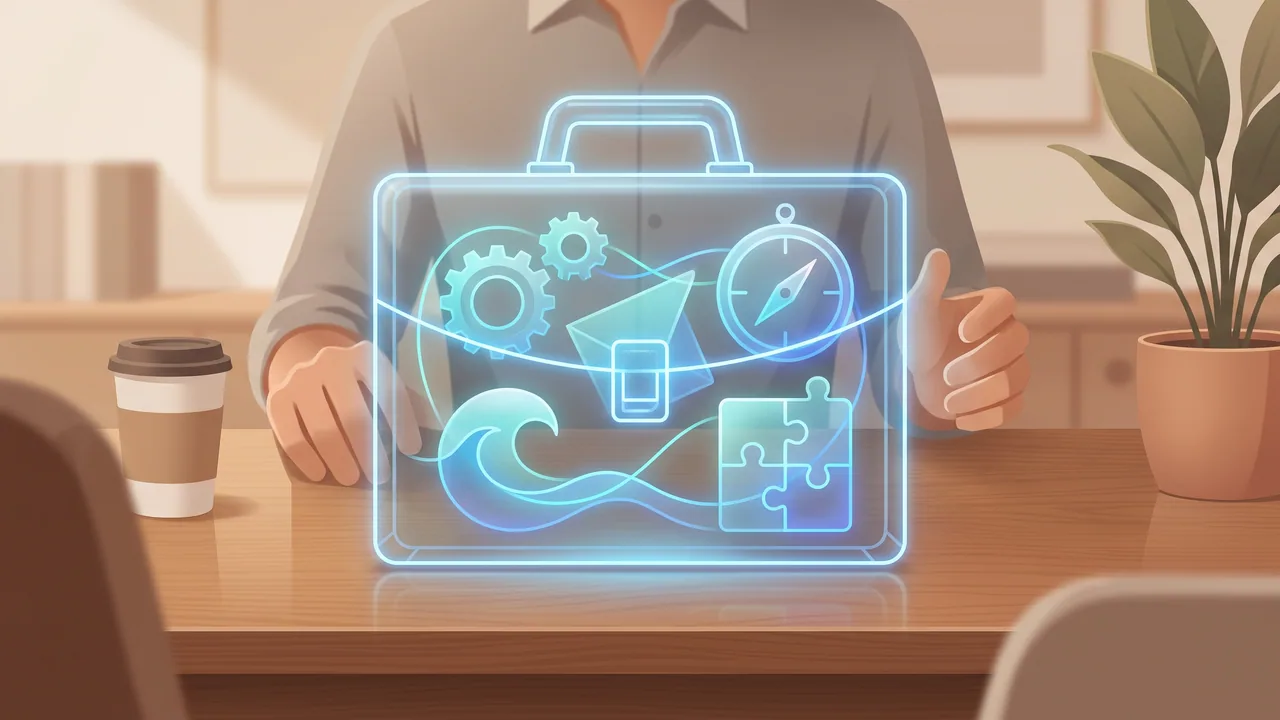
Your stress management toolkit should include various resources and techniques that resonate with you personally. Here are some essential components to consider:
- Mindfulness Practices: Incorporate mindfulness exercises such as deep breathing or meditation. Even five minutes a day can help centre your thoughts.
- Time Management Strategies: Use planners or digital tools to prioritise tasks. Break projects into smaller, more manageable steps to reduce feelings of overwhelm.
- Physical Activity: Aim for at least 30 minutes of physical activity most days. Whether it’s a brisk walk or yoga, movement can boost your mood and relieve tension.
- Social Connections: Maintain connections with friends and family. Even a quick message or call can provide emotional support and a sense of belonging.
- Creative Outlets: Engage in activities you love, such as painting, writing, or playing music. Creativity can serve as a powerful stress reliever.
Quick Stress-Relief Techniques
In addition to building your toolkit, having quick stress-relief techniques at your fingertips can be invaluable during busy moments. Here are a few to try:
- 5-4-3-2-1 Technique: Identify five things you can see, four things you can touch, three things you can hear, two things you can smell, and one thing you can taste. This grounding exercise brings you back to the present.
- Progressive Muscle Relaxation: Tense each muscle group for five seconds, then relax. Start from your toes and work your way up to your head.
- Visualisation: Close your eyes and imagine a peaceful setting, like a beach or forest. Spend a few minutes in this mental escape.
Creating a Routine
Building a consistent stress management routine is crucial for long-term success. Set aside time each day, even if it’s just 10 minutes, for your chosen activities.
Incorporate elements from your toolkit into your daily life. For example, start your day with a short meditation session, followed by a brief exercise. As the day progresses, take short breaks to stretch or practice deep breathing.
Review and Adapt Your Toolkit
Your stress management toolkit isn’t static; it should evolve with you. Regularly assess what works and what doesn’t. Take note of your stress levels and adjust your toolkit accordingly.
Consider journaling your experiences. This not only helps in recognising patterns but also in celebrating small victories. Reflect on the techniques that bring you the most relief and be open to trying new methods.
Need a moment to breathe?
CalmCall gives you a warm, judgment-free space to talk things through, anytime — completely confidential.